


Turkish Innovator M. Mert Gökalp Enters the Explorers Club “50 That Changed the World” List
Bodrum-born underwater engineer and scientific explorer M. Mert Gökalp has achieved a historic milestone by being selected for the prestigious Explorers Club 50 (EC50) list—an annual ranking that honors the world’s most impactful explorers, scientists, and innovators. Often referred to as “the Oscars of exploration,” the EC50 list recognizes individuals whose work reshapes our understanding of the planet and drives meaningful global change.
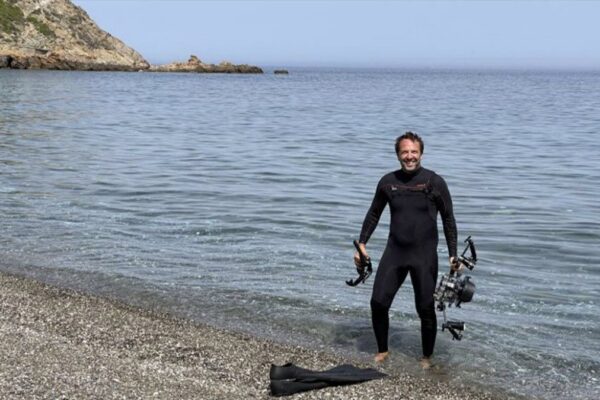
Founded in 1904 in New York, The Explorers Club has long been associated with legendary names—astronauts, polar explorers, oceanographers, and pioneers who expanded the boundaries of human knowledge. Being chosen for the EC50 is not merely an award; it is an acknowledgment that one’s work stands among the most influential in the world today.
Gökalp’s inclusion places him in the same global circle as trailblazers in space science, climate research, oceanography, and conservation—making him one of the few Turkish scientists to receive this level of international recognition.
From Bodrum to the World’s Oceans
Raised in Bodrum, a town shaped by the Aegean Sea, Gökalp’s bond with the underwater world began early. Over time, that passion evolved into a career at the intersection of marine science, engineering, and environmental exploration.
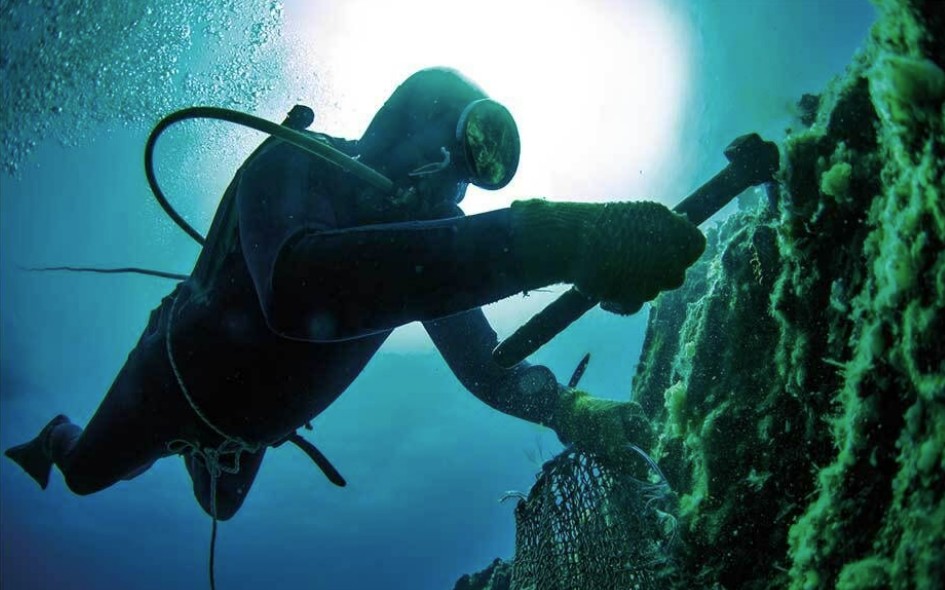
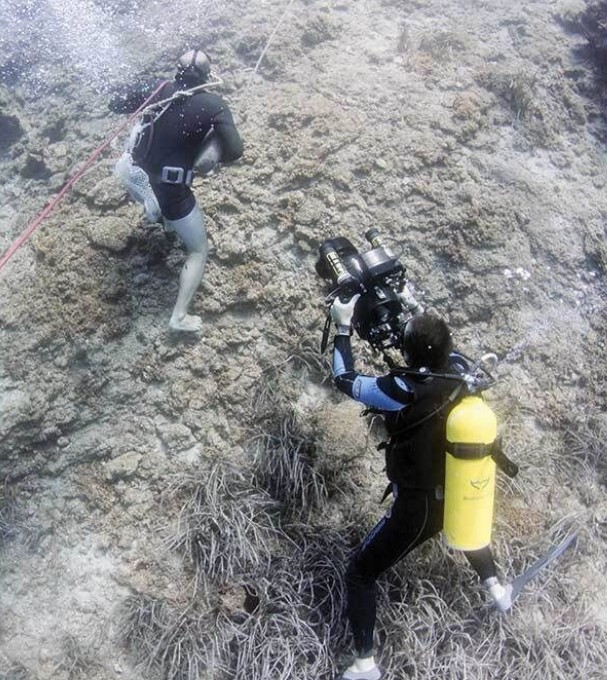
His work focuses on developing and deploying advanced underwater technologies that allow scientists to observe, map, and understand marine ecosystems more accurately than ever before. Rather than remaining in laboratories, Gökalp has taken innovation into the field—designing systems that operate in extreme underwater conditions, enabling discoveries that were once impossible.
From coral reef mapping to deep-sea observation, his projects have helped scientists monitor biodiversity, track ecological changes, and better understand the effects of climate change on marine life.
Why the Explorers Club Chose M. Mert Gökalp
In its official statement, The Explorers Club emphasized that Gökalp’s work goes far beyond technical achievement. His innovations are not isolated inventions—they actively transform how science is conducted in the ocean.
Key reasons for his selection include:
- Pioneering underwater exploration technologies
- Bridging engineering with marine biology and climate science
- Enabling new forms of data collection in challenging marine environments
- Contributing to global understanding of fragile ocean ecosystems
- Inspiring a new generation of explorers and engineers
The EC50 list does not merely celebrate discovery—it highlights individuals whose work creates lasting impact. Gökalp’s technologies are now part of a broader scientific movement aimed at protecting the world’s oceans.
A Global Platform for Turkish Science
Gökalp’s recognition carries significance far beyond individual success. It represents a powerful moment for Turkish science and innovation on the world stage.
For young engineers, researchers, and students in Turkey, his story demonstrates that global impact is possible regardless of origin. From a coastal town like Bodrum, it is possible to reach institutions in New York, collaborate with international scientific teams, and contribute to humanity’s understanding of the planet.
This achievement also reinforces Turkey’s growing presence in advanced engineering, environmental science, and technological research—fields increasingly central to the future of humanity.
The EC50: More Than a List
The Explorers Club 50 is curated annually by a global committee of scientists, explorers, and educators. It identifies 50 individuals whose work:
- Advances scientific discovery
- Addresses global challenges
- Inspires exploration and education
- Expands humanity’s relationship with Earth
Past honorees include astronauts, polar researchers, deep-sea explorers, and innovators who changed how we perceive space, oceans, and the environment. Inclusion in this list signals that an individual’s work is shaping the direction of modern exploration.
For M. Mert Gökalp, this recognition confirms that underwater engineering and marine technology are no longer niche disciplines—they are central to understanding climate, biodiversity, and the future of life on Earth.
Technology Serving the Planet
Gökalp’s career reflects a growing shift in exploration: from conquest to conservation. Modern explorers are not defined by planting flags but by protecting ecosystems and providing tools for sustainability.
His underwater systems allow scientists to:
- Monitor coral reef health
- Track species migration
- Map fragile habitats
- Study deep-sea environments
- Collect real-time ecological data
These capabilities are crucial in an era when oceans face unprecedented pressure from pollution, warming waters, and habitat destruction. Technology, in Gökalp’s vision, becomes a bridge between humanity and the sea—offering insight, responsibility, and hope.
An Inspiration Beyond Borders
Being listed in the EC50 places Gökalp in a global network of innovators working across continents and disciplines. The recognition opens new pathways for international collaboration, research funding, and educational outreach.
But perhaps the most powerful outcome is inspiration.
His story tells young people that:
- Science is not limited by geography
- Engineering can protect nature
- Curiosity can become global impact
- Exploration still matters in the 21st century
From Bodrum’s shores to the depths of the ocean and the halls of New York’s most prestigious exploration society, M. Mert Gökalp embodies a new generation of explorers—those who combine technology, ethics, and vision.
A New Chapter for Turkish Exploration
M. Mert Gökalp’s inclusion in the Explorers Club 50 marks a defining moment for Turkey’s presence in global scientific exploration. It shows that Turkish innovators are not only participating in world science—they are shaping it.
As oceans become central to the future of humanity, voices like Gökalp’s will guide how we explore responsibly, innovate ethically, and protect what remains fragile.
This is not only a personal honor. It is a symbol of what is possible when curiosity meets purpose—and when local roots grow into global impact.