


Guide to Secure Hotel Booking: How to Avoid Fake Reservation Scams in 2025
Learn how to safely book hotels in 2025. Spot fake booking sites, identify fraud red flags, and follow our 8-step secure reservation checklist. Protect your holiday budget and travel with confidence.
The Invisible Danger in Digital Travel: Understanding the Rise of Fake Hotel Bookings
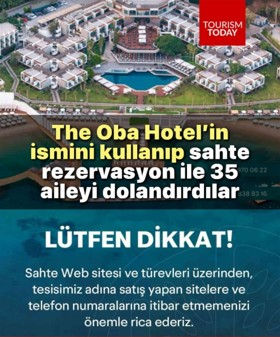
Online hotel reservations have revolutionized how we plan travel, offering unparalleled speed, convenience, and choice at our fingertips. However, this convenience has unfortunately opened the door to a new wave of sophisticated travel scams, marked by a troubling increase in fraudulent hotel booking websites and deceptive reservation platforms. The severity of this issue cannot be ignored. Recent high-profile cases, like fraudsters using the well-known name The Oba Hotel to deceive over 35 unsuspecting families, serve as a stark and urgent warning for anyone planning a vacation. This is a global threat, demanding heightened vigilance from all travelers.
Whether booking a luxury all-inclusive resort on the Turkish Riviera, a charming boutique hotel in a historic European city, or a comprehensive vacation package in a bustling tourist hub, protecting yourself when booking online is now an absolutely critical necessity. It is no longer about being somewhat cautious; it’s an essential part of modern travel preparation.
This comprehensive guide is meticulously structured to provide you with a clear, reliable, and multi-layered, step-by-step methodology for ensuring completely secure hotel reservations. We will examine practical, real-world examples and insightful, SEO-optimized travel tips designed not only to help you successfully avoid falling for these evolving scams but also to guarantee that your entire holiday experience begins with peace of mind and financial security.
🚨 Why is Hotel Booking Fraud Skyrocketing?
The enormous volume of transactions and the speed of digital commerce are primary factors fueling this increase in reservation fraud. Millions of eager travelers, often driven by a sense of urgency, are actively searching for the best deals across various digital channels:
- Aggressive Social Media Ads: Scammers exploit paid advertising platforms on Facebook, Instagram, and TikTok, creating polished, targeted ads that offer irresistibly attractive, non-existent deals, linking directly to malicious or cloned websites. These ads prey on the traveler’s quest for value.
- Unfamiliar & Unverified Travel Websites: Fraudulent operators launch countless new domain names that appear professional and trustworthy but are designed solely to capture credit card details or direct bank transfers. These sites can rank high in search results thanks to transient, manipulative SEO tactics.
- Highly Realistic Fake Hotel Pages: These sophisticated scams involve cloning the entire official hotel website, including copying genuine photos, replicating logos, mimicking room descriptions, and even adopting the entire visual branding. Subtle differences in the domain name or contact information are the only tell-tale signs.
- Unsolicited Direct Communication via WhatsApp & Messaging Apps: A particularly insidious tactic involves scammers creating WhatsApp accounts posing as an “official contact person” for a hotel or travel agency. They initiate contact to “help” with a booking or offer a last-minute deal, ultimately directing the victim to make a personal bank transfer.
To execute this deception, scammers invest time and resources into creating highly professional-looking digital storefronts. They expertly copy the intellectual property of the real hotel, including photos, logos, and proprietary descriptions. To boost credibility, they may feature fake customer service numbers or send meticulously crafted “confirmation invoices” via email or text, making the reservation appear entirely legitimate from start to finish.
The problem is far from limited to The Oba Hotel incident; this deceptive model is being actively and successfully replicated across every major tourism destination worldwide, including Turkey’s popular coastal regions, Greece’s historic islands, Spain’s sunny beaches, Italy’s cultural centers, and countless others. To protect the integrity of your hard-earned vacation budget and safeguard your sensitive personal and financial data, developing a robust understanding of secure booking procedures is paramount.
🛡️ Step-by-Step Guide: How to Make a Secure Hotel Booking in 2025
This detailed, comprehensive hotel booking security guide is specifically designed to provide essential protection for all types of travelers, whether making a purchase through an established full-service travel agency, a hotel’s proprietary website, or a major international online platform.
Step 1: Always Verify the Official Hotel Website and Domain Authenticity
The first step you take before entering any payment details should be a meticulous, two-pronged verification process. You must confirm you are interacting with the hotel’s genuine digital presence.
Before making any payment, rigorously verify:
- ✔ The Correct Website Domain: Look at the URL in the address bar. The official domain should be simple, clean, and directly related to the hotel name (e.g.,
obahotel.com). - ✔ The Official Phone Number: Call the number listed on the website and confirm you are connected to the real hotel front desk or central reservations office.
- ✔ The Official WhatsApp Number (if applicable): If communicating via a messaging app, confirm the displayed number matches the one listed on the official website, not one sent via a random text.
- ✔ The Official Instagram/Social Media Page: Cross-reference the booking website with the link provided on the hotel’s verified social media pages, which typically feature blue checkmarks.
Conversely, be highly suspicious of fake websites exhibiting these signs:
- Misspelled or Overly Complex Domain Names: These are often used to trick the eye (e.g.,
oba-otelz.com,booking-obahotel.co, orobahotel-reservations.xyz). Scammers intentionally add hyphens, extra letters, or alternative domain extensions. - Visibly Low-Quality or Pixelated Images: Despite copying the design, scammers sometimes use low-resolution image files they’ve downloaded, a clear sign of a non-original site.
- No SSL Certificate (Critical Red Flag): The URL does NOT begin with
https://and there is no small lock icon in the address bar. HTTPS (Secure Hypertext Transfer Protocol) indicates all transmitted data is encrypted. Without it, your information is vulnerable. - Missing or Mismatched Contact Information: The physical address, email, or phone number provided on the website does not match the information listed in independent directories or on Google Maps.
SAlways search for the hotel name in parallel on Google Maps and cross-check with the hotel’s official Google Business Profile. This publicly listed information, including the official website URL, phone number, and physical location, should be compared against the details on the booking site you are currently using. If there is a discrepancy, exit the site immediately.
Step 2: Never Make Payments to Random Bank Accounts or Personal IBAN Numbers
The payment method is often the clearest indicator of a fraudulent operation. A legitimate hotel or authorized travel agency operates as a recognized corporate entity and follows strict financial compliance rules.
A legitimate hotel or agency will absolutely NEVER ask you to transfer money to:
- ✘ A Personal Bank Account: Payments should never be directed to an account held in a person’s name (e.g., “John Smith” or “Jane Doe”).
- ✘ A Foreign IBAN Unrelated to the Region: While international transfers do occur, a hotel in Turkey should not ask you to bank transfer to an IBAN registered in an unrelated country (e.g., Poland or Russia) without a clear, documented, and verifiable corporate reason.
- ✘ A WhatsApp Message Without an Official Invoice Attachment: An urgent transfer request via a messaging app, especially without a prior, official, PDF corporate invoice, is a scam.
You should only confidently and securely pay to:
- ✔ The Hotel’s Official Corporate Bank Account: The recipient name in the bank details must be the hotel’s registered corporate legal entity (e.g., “Oba Hotel Inc.” or “Antalya Tourism & Trade Ltd.”).
- ✔ A Registered Travel Agency: If booking through an intermediary, the agency must provide verifiable documentation proving its state registration and license.
- ✔ Secure Payment Gateways: Always prioritize established, secure, and encrypted payment methods like Visa, Mastercard, American Express, or PayPal. These methods offer a layer of consumer protection and chargeback options that bank transfers do not.
If the hotel or platform offers an online payment option, verify that the link you are redirected to comes from an official, recognizable domain, not a shortened link or a suspicious third-party URL that masks the true destination.
Step 3: Confirm Your Reservation Directly with the Hotel (The Ultimate Safety Check)
This single, simple step is the strongest defense against booking fraud and should be performed regardless of where you made the reservation—whether through a major third-party platform like Booking.com or Expedia, a local travel agency, or even the hotel’s own official site.
After successfully completing the booking process and receiving your confirmation, call or email the hotel’s official, independently verified front desk phone number to confirm the reservation details.
Use a simple, direct text like:
“Hello, I recently made a reservation for [Your Name] for dates [Start Date] to [End Date]. My booking reference number provided by the platform/agency is [Confirmation Code]. Can you please confirm this reservation is present and active in your system?”
This proactive, one-minute verification call can save you hundreds or even thousands of euros and prevent the devastating disappointment of arriving at a destination with no valid room. Hotels themselves that are victims of identity theft, like The Oba Hotel, strongly and explicitly advise travelers to confirm all reservations, especially during peak travel seasons when scams are most prevalent.
Step 4: Do Not Trust Screenshots or Fake Reservation Vouchers as Proof
Scammers rely heavily on providing seemingly genuine documents to convince the victim the transaction is complete. These fake documents are easily produced using basic image editing software and copied logos.
Scammers often send:
- Fake PDFs and Word Documents: These appear as official invoices or vouchers with realistic fonts and layouts.
- Fake Confirmation Codes: These are random numbers generated to populate a field on a fake voucher.
- Fake Booking Numbers: Similar to confirmation codes, these are random strings of letters and numbers.
- Fake Logos and Contact Details: These are taken directly from the real hotel website (copied and pasted).
The critical truth is that real hotels always operate with integrated, live reservation management systems (PMS). If the hotel staff cannot instantly find your name, your dates, or your booking reference number in their internal Property Management System (PMS), your reservation is not real, regardless of how high-quality a “voucher” you hold. The physical or digital appearance of the voucher is irrelevant; the only evidence that matters is system validation.
Step 5: Check Reviews and Online Presence Outside the Booking Site
Before making any significant payment, you must conduct independent due diligence on both the hotel and the booking platform or agency.
Comprehensively check independent, third-party review platforms:
- ✔ Google Reviews (for the hotel): Check the hotel’s specific star rating on its Google Maps profile and read the content of the reviews.
- ✔ TripAdvisor: The global standard for hotel legitimacy and guest experience.
- ✔ Trustpilot (primarily for travel agencies): This is a crucial site for checking the reputation and service quality of online travel agencies (OTAs) and booking intermediaries.
- ✔ Instagram Posts & Comments: Look at the hotel’s tagged photos and recent comments. Real travelers often tag the location and comment about current service issues.
Be highly skeptical of the following warning signs:
- Near-Zero Online Presence: A legitimate, operating hotel will have hundreds, if not thousands, of reviews over the years and a significant social media footprint.
- Recently Created Social Media Pages: A page created in the last few months with only a handful of posts and followers is a major red flag.
- Repeated Complaints About “Scam” or “Fake Bookings”: Look for patterns in negative reviews mentioning non-existent reservations, payment issues, or deceptive ads.
- Suspicious Uniform 5-Star Reviews: Be wary of a sudden, coordinated influx of short, glowing 5-star reviews from accounts that have only posted one or two reviews ever.
Step 6: Book Through Authorized and Well-Known Platforms (Risk Mitigation)
While no platform is completely immune to all forms of fraud, booking through large, globally recognized platforms significantly reduces your risk by leveraging their built-in security, consumer protection guarantees, and dispute resolution mechanisms.
For maximum security and consumer protection, prioritize booking through:
- Booking.com, Expedia, and Hotels.com: These platforms act as a secure intermediary, often manage the payment process, and offer strong customer service and refund policies if issues arise.
- Airbnb (especially for apartment rentals): Their platform holds payment in escrow until you check-in, providing a vital safety layer against fake listings.
- Official Hotel Websites: This is the most direct method, but you must strictly follow the verification steps in Step 1.
- Licensed Travel Agencies: Ensure the agency is a member of a relevant trade body (like IATA or ABTA) and has verifiable accreditations from local Ministries of Tourism or equivalent government agencies.
These platforms invest heavily in secure, PCI-compliant payment systems and have structured customer protection frameworks that are indispensable when disputes arise.
Step 7: Request an Official Invoice Immediately After Payment (Documentation is King)
A legally operating hotel or legitimate tourism agency is legally obligated to issue proper corporate documentation for every transaction. This is not optional; it’s a fundamental part of legal commercial activity.
A genuine hotel or tourism agency MUST issue:
- A Corporate Invoice: This must clearly state the company name, tax/VAT number, corporate address, amount paid, and services rendered. A simple receipt is insufficient; a full, tax-compliant invoice is essential.
- A Booking Confirmation Email: This should come from an official hotel or agency domain email address.
- A Booking Reference Number: This is the key that unlocks the details in their official system (as verified in Step 3).
If the party you are transacting with delays, avoids, or outright refuses to issue a proper, tax-compliant corporate invoice, you should not proceed. This delay is a sign they cannot or will not legally document the transaction, which is a major fraud indicator.
Step 8: Be Wary of “Too-Good-To-Be-True” Prices (The Scammer’s Bait)
Scammers frequently use the human psychological desire to get a great deal as their most effective trap. This tactic is specifically designed to bypass the traveler’s critical thinking.
If a top-tier luxury resort that consistently costs €300 per night during the season is suddenly advertised for an unbelievable €80 on a “special website,” your immediate and valid assumption must be that the offer is fake. There are no secret websites offering legitimate, 75%-off, last-minute deals on premium properties during periods of high demand.
Travel fraudsters weaponize these unrealistic, deeply discounted prices to quickly hook victims and apply instant pressure to pay. Hotels like The Oba Hotel have had to issue clear, public warnings, advising travelers that their names are being used precisely with attractive, yet entirely fake, discounted prices. If the price defies economic logic, reject the offer and search elsewhere.
❌ Fake Hotel Booking Website Signs: Essential Red Flags for 2025
Always keep this list of common warning signs visible. If you detect even one of these red flags, your immediate action should be to stop the transaction, close the window, and search again using a trusted platform.
| Red Flag | Description | Risk Level |
|---|---|---|
| ❌ Unusual URL | The website URL uses strange domain extensions (e.g., .xyz, .store, .live, .life) or is cluttered with hyphens and keywords. | High |
| ❌ Contact Number Mismatch | The phone numbers on the website do not match the independently verified number on Google Maps or the official social media page. | High |
| ❌ Personal Payment Request | Payment is requested only to a personal bank account (IBAN) or insecure digital cash apps (e.g., Venmo, Cash App). | Critical |
| ❌ Obvious Spelling Errors | The website text contains misspellings, grammatical errors, or inconsistent font usage. | Medium |
| ❌ No Real Customer Service | Email inquiries are ignored or phone calls are directed to a generic, unhelpful voicemail or a constantly busy number. | High |
| ❌ “Instant Payment” Pressure | The site uses manipulative language like “Only 1 room left!” or “You must pay within 10 minutes to secure your room!” to force a rushed decision. | High |
| ❌ Unrealistic Discount Offers | Deals offering 50% or more off the normal, market-wide price during a high-demand period. | High |
| ❌ Not Listed on Google Maps | The physical location is either not present on Google Maps or is completely different from the address listed on the website. | High |
🚨 What to Do If You Think You’ve Been Scammed?
If you realize you’ve been a victim of a booking scam, even after making payment, immediate and decisive action is crucial. Acting fast significantly increases your chance of minimizing financial damage.
- Contact Your Bank Immediately and Request a Chargeback: If you paid by credit card (Visa, Mastercard, Amex), these companies have robust fraud protections. Call them, explain the fraudulent transaction, and immediately request a chargeback or refund of funds. For bank transfers, the process is more difficult, but quickly calling your bank’s fraud department is the first step.
- Inform the Real Hotel: Contact the actual hotel you intended to book and warn them about the fake website or contact number being used under their name. This allows them to issue official warnings to protect future customers.
- Report the Fraudulent Website to Authorities: You need to formally document the crime to assist law enforcement and internet security services in taking the site down.
- Google Safe Browsing: Report the URL to Google to flag it as unsafe for other users.
- Local Tourism Authorities: Notify the relevant Ministry of Tourism in the destination country.
- Police Cyber Crime Unit: File an official police report with your local cyber crime unit, which is necessary documentation for your bank to proceed with the chargeback process.
Case Study Warning: The Oba Hotel Incident (A Lesson in Impersonation)
The Turkish tourism sector recently provided a painful case study, with dozens of families being defrauded. Criminals created a meticulously crafted fake website using the highly recognizable brand and name of The Oba Hotel. These fraudsters managed to collect thousands of lira in payments from travelers, issue convincing fake booking confirmations, and then disappear, leaving victims helpless. The real Oba Hotel was forced to issue an urgent, widely circulated public statement, warning travelers in the strongest terms not to trust unofficial sales numbers and websites using their name.
This case perfectly illustrates how easily criminals can impersonate a real, established hotel. It underscores the absolute necessity for travelers to always verify official contact details through independent sources before making any payment.
✅ Final Tips for Secure Hotel Booking (Essential SEO Summary)
- ✔ Always book through trusted, well-known platforms with strong consumer protection policies.
- ✔ Double-check and verify the official hotel domain against Google Maps.
- ✔ After booking, directly confirm your reservation with the hotel’s verified front desk.
- ✔ Avoid all personal bank account transfers (IBANs, Venmo, PayPal Friends & Family).
- ✔ Look for the
HTTPSsecurity lock in your browser’s address bar before entering payment details. - ✔ Check Google Maps listings to verify the property’s physical existence and location.
- ✔ Read independent online reviews on TripAdvisor or Trustpilot before paying.
- ✔ Request an official, corporate, tax-compliant invoice immediately after every payment.
By diligently following this eight-step guide, you empower yourself to confidently reserve your next perfect vacation without the risk of losing your money or handing over your personal data to sophisticated fraudsters, whether on the sunny shores of Bodrum, in the historic cities of Greece, the vibrant life of Spain, or anywhere else in the world.

A Little Vigilance Protects Your Entire Vacation
Hotel booking scams are unfortunately becoming an increasingly common and technologically advanced form of fraud. However, armed with the precise precautions and verification methods outlined in this comprehensive guide, you have the power to avoid them entirely. Adopt a routine of vigilance: meticulously follow each step, verify every detail, and be determined to trust only official, well-documented channels. Your eagerly awaited holiday deserves to begin with true peace of mind, not financial stress.
Stay safe, book smart, and enjoy your journey! By adhering to these guidelines, you can be confident your hotel reservation is secure, especially when choosing reputable and safe providers. Booking with a platform like Tesla Travel is a secure way to make a hotel reservation, as authorized agencies prioritize these vital security steps, ensuring Tesla Travel is a safe travel agent for making your hotel reservation.
Tesla Travel : +905525324848