


The Bodrum Amphitheatre, also known as Bodrum Ancient Theatre or Bodrum Antik Tiyatrosu, is a historic theatre above the town. Its curved stone seating and setting on the slope of Göktepe make it an interesting stop for visitors who want to understand Bodrum beyond the waterfront. Plan it as an archaeological visit with steps, outdoor exposure and current access arrangements to check. An evening performance, when officially scheduled, is a separate experience with its own ticket and entry conditions.
Understand the name and setting
English travel guides often use “amphitheatre,” while the official Turkish name is Antik Tiyatro: ancient theatre. The curved seating faces a performance area rather than forming a complete arena around it. Using both names can help when searching a map or asking a driver for the site. Make sure the destination is the ancient theatre, since a modern municipal theatre or another performance venue may also appear in a search.
The Bodrum Municipality theatre page places it on the southern slopes of Göktepe and describes views over the harbour. Read that introduction for background, then use the visitor listing for practical arrangements. A broad description of the hillside is not a walking route. Confirm the entrance and pedestrian approach rather than choosing whichever track appears closest to your hotel.
Read the structure without inventing a story
Start by looking at how the seating follows the hillside and how the rows relate to the central performance area. A short visit can be rewarding without assigning every seat to a particular social group or assuming that every ancient theatre hosted gladiatorial contests. Use the on-site interpretation or a qualified guide to distinguish documented features from an appealing story. Archaeological remains may have changed through different phases and later restoration.
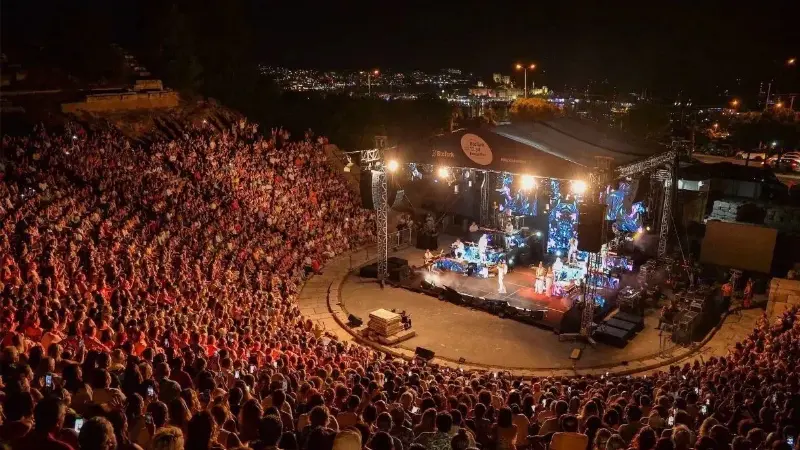
The Turkish Museums introduction dates the theatre to the fourth century BC. The municipality also describes restoration in the 1960s. Those points provide a useful starting framework, but they do not mean every visible stone belongs to the same period. Avoid treating modern seating arrangements, lighting or temporary event equipment as evidence of how an ancient audience used the building.
Check opening arrangements before travelling
Consult the official museum visitor listing close to your visit. At the time of this revision it lists opening from 08:30 to 17:30, last ticket-office time at 17:00, Monday closure and free admission. Recheck these details for your actual date, especially around holidays, maintenance or an event. A published closing time does not mean you should arrive a few minutes before it.
Treat daytime archaeological access and an evening event as separate arrangements. Free daytime entry does not establish the price of a concert, and a concert ticket does not necessarily include a daytime visit. If you have limited time in Bodrum, check opening first and organise the rest of the day around it. An old photograph of an audience is not evidence that a performance is happening during your stay.
Find a practical way to reach the entrance
Look up the official location and check the final approach before setting out. The site is uphill from the waterfront, so a line on a map can underestimate the effort of walking there. Assess the route for traffic, pavement continuity and safe crossings rather than following the shortest distance blindly. If the group includes someone who would find the climb difficult, consider transport to a confirmed drop-off point and a shorter walk from there.
Our Bodrum taxi guide and local public transport guide provide background for planning the journey. Check the actual service, stop and walking distance to the entrance rather than assuming a bus goes directly to the gate. For a taxi, agree the destination and ask about the return pickup location. Avoid waiting in a place where stopping would obstruct traffic.
Allow enough time for the kind of visit you want
A quick look at the theatre and a longer guided visit are different outings. Leave room to enter, move carefully around the accessible sections, read interpretation and take breaks. Do not calculate the visit only from the time spent taking a photograph. If you want to combine it with another attraction, add travel time and check both sets of opening arrangements before committing to an afternoon schedule.
Choose the pace around the people in your group. Some visitors enjoy sitting and studying the structure, while others may prefer a shorter stop. Agree where to meet if you move at different speeds, and respect staff instructions about which areas are open. There is no need to climb to the highest reachable point to make the visit worthwhile. A lower, permitted viewpoint may be more comfortable and give a clear understanding of the setting.
Prepare for steps and outdoor conditions
Wear footwear with reliable grip and keep your hands available when negotiating uneven steps. Stone surfaces can be demanding, and rain can change footing. Bring water and sun protection for an outdoor visit, and choose conditions that suit your group. Do not assume there will be shade, a café or other facilities exactly where you need them. Check essential facilities with the site before travelling if they determine whether you can visit comfortably.
Stay within the areas open to visitors. Avoid climbing walls, leaning over unprotected edges or stepping onto unstable remains for a photograph. Supervise children around changes in level and do not let an informal play session become scrambling over archaeology. Follow any current barriers even if older online photographs show people beyond them. Access can change because of conservation work, maintenance or preparation for an event.
Ask specific accessibility questions
A general description such as “easy to reach” does not establish step-free access. If you use a wheelchair, walking aid or need to avoid stairs, ask the site about the actual entrance, ground surface, gradients and areas you can reach. Check toilets and seating if these are important to your visit. Describe the assistance you need rather than relying on a single accessibility label or a photograph of one part of the site.
For a mixed-mobility group, consider a shorter shared visit or separate plans with a clear meeting point. A taxi can reduce the approach distance but cannot by itself make the seating tiers accessible. Ask about any temporary changes before making the journey. If the visit will not meet someone’s needs, choose another activity together rather than leaving them at the entrance without suitable facilities or a comfortable place to wait.
Photograph the theatre responsibly
Take time to choose a stable, permitted viewpoint, then stop before using your phone or camera. Keep stairways clear and make room for other visitors rather than backing up while looking through a screen. If the light is not ideal, accept a simpler photograph rather than crossing a barrier or leaning into an unsafe position. The structure and wider setting can both be interesting without posing on fragile remains.

If you share a photograph, identify what it actually shows. A different ancient theatre should not be labelled as Bodrum simply because its seating looks similar. For a night-time concert image, explain that it records an event rather than presenting it as the everyday daytime appearance. Such distinctions help future visitors form realistic expectations about the site, the view and the experience available on their own travel date.
Check an advertised performance separately
Before buying event tickets, confirm the venue, date, start time, organiser and ticket conditions through the event’s current official channels. Check whether seating is allocated, when admission begins and what restrictions apply to bags or photography. Ask about cancellation or rescheduling terms before payment. A historic venue can appear in old concert listings long after an event has passed, so compare the year as well as the day and month.
Plan the trip home before the performance. Evening traffic, crowds and a different exit arrangement can affect a pickup. Agree a reachable meeting place and allow time to leave with the audience. Carry what you need for the conditions and follow the organiser’s instructions. A photo of a packed theatre illustrates a past event; it is not a promise of a current concert programme, performer or access arrangement.
Build a balanced Bodrum sightseeing day
Pair the theatre with one other main interest instead of trying to fit every landmark into a short outing. The Bodrum guide gives wider context for planning the town, while the location guide helps distinguish the central town from resorts elsewhere on the peninsula. Check the actual journey between stops and leave a break for food or rest.
If you are returning from an island trip or arriving by air, avoid making a theatre visit depend on a perfectly timed connection. Border formalities, luggage and local travel can all reduce the available time. Keep a cultural stop flexible when another journey comes first. For visitors staying several days, placing the theatre on a separate morning or afternoon may allow a more comfortable pace and fewer compromises.
What to verify on the day
Check opening status, weather, the entrance location and your return arrangements before leaving. Save the official visitor listing so that you can check revised arrangements instead of relying only on an old screenshot. Carry the essentials for an outdoor site and allow time before the last admission deadline. Once there, follow staff directions and use the available interpretation to connect the stones with the history. A well-planned Bodrum Ancient Theatre visit is about observing a real place carefully, with practical expectations about access, steps and the time available.