


Why Turkey Is a Global Hub for Orthopedic Treatments: A Comprehensive Guide
Over the past two decades, Turkey has cemented its reputation as a premier destination for medical tourism, with a particularly strong focus on orthopedic surgery. From complex knee and hip replacements to minimally invasive arthroscopic procedures and specialized sports medicine treatments, thousands of patients from Europe, the UK, the Middle East, and beyond are choosing Turkey for their orthopedic needs. This rise in popularity isn’t by chance; it is the result of a deliberate combination of world-class medical infrastructure, highly skilled professionals, significant cost advantages, and a patient-centric approach that makes the entire process seamless.
This comprehensive guide explores the key reasons why Turkey has become a global hub for orthopedic treatments and what international patients can expect from their medical journey.
1. Unparalleled Medical Expertise and Technology
One of the cornerstones of Turkey’s success in orthopedics is the caliber of its medical professionals and the advanced technology they utilize.
- Highly Skilled Orthopedic Surgeons: Turkish orthopedic surgeons are a global force, with many having trained or completed fellowships at top medical institutions in the United States and Europe. They are often members of prestigious international organizations like the American Academy of Orthopaedic Surgeons (AAOS), ensuring they are at the forefront of the latest surgical techniques and best practices. The path to becoming an orthopedic surgeon in Turkey is rigorous, involving five years of medical school followed by a demanding five-year residency program. This extensive training ensures a high level of expertise in a wide range of subspecialties, from joint replacement to hand and foot surgery, spinal procedures, and sports traumatology.
- State-of-the-Art Facilities: Turkey’s healthcare sector has seen massive private and government investment, resulting in a network of modern, high-tech hospitals that rival the best in the world. Many of these hospitals are equipped with cutting-edge technology, including robotic-assisted surgical systems like the MAKO™ and Navio™ systems. These technologies allow for enhanced precision, better alignment of implants, smaller incisions, and faster recovery times, which are particularly beneficial for athletes and those seeking a quick return to their active lives.
- Focus on Subspecialties: Turkish orthopedic centers don’t just offer general orthopedic care. They have dedicated departments and specialists for a variety of subfields, including:
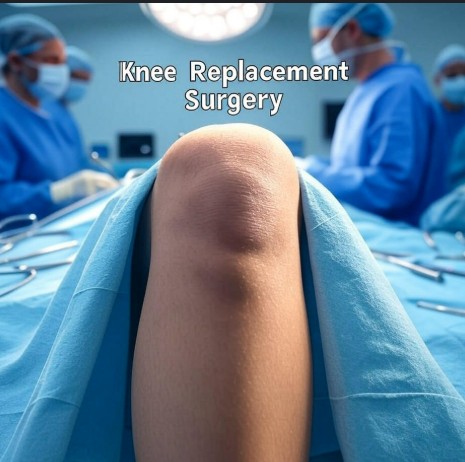
- Joint Replacement (Arthroplasty): Total and partial hip, knee, and shoulder replacements.
- Sports Medicine & Traumatology: Treating injuries common in athletes, such as ACL tears, meniscus injuries, and rotator cuff tears.
- Spinal Surgery: Addressing conditions like herniated discs, scoliosis, and other degenerative spinal disorders.
- Pediatric Orthopedics: Specialized care for children’s musculoskeletal conditions.
- Hand and Microsurgery: Complex procedures for hand and wrist injuries.
- Regenerative Medicine: The use of stem cell therapy to help heal damaged tissues, a rapidly growing area of treatment.
2. Significant Cost Savings Without Compromising Quality
For many international patients, the most compelling factor is the dramatic cost advantage. Orthopedic procedures in Turkey are often 50% to 70% less expensive than in the United States, the UK, and Western Europe.
- Cost-Effectiveness: A total knee replacement that might cost upwards of $40,000 in the U.S. could be as low as $7,000-$10,000 in Turkey. Similarly, a hip replacement can be performed for a fraction of the price found in other developed nations.
- Favorable Exchange Rate and Lower Operational Costs: These savings are not a reflection of lower quality. Instead, they stem from a favorable exchange rate for foreign currencies and lower operational costs, including labor and hospital overhead. This allows Turkish hospitals to provide the same high-quality care, using the same brand-name implants and materials as their Western counterparts, but at a much more accessible price point.
3. International Accreditation and Patient Safety
The quality of care in Turkish hospitals is not just a matter of reputation; it is backed by international accreditation.
- JCI Accreditation: Turkey has a high number of hospitals accredited by the Joint Commission International (JCI), the world’s leading accreditor of healthcare organizations. With over 40 JCI-accredited facilities, Turkey holds one of the highest numbers of JCI certifications globally. This accreditation is a rigorous process that signifies a hospital’s commitment to meeting stringent international standards for patient safety and quality of care.
- Transparent Standards: JCI accreditation provides a crucial layer of trust for international patients, ensuring that the hospital’s infrastructure, patient care protocols, and surgical practices are on par with the highest global benchmarks.
4. Patient-Centric, All-Inclusive Care
Beyond the surgical procedure itself, Turkey’s medical tourism industry excels at providing a holistic patient experience.
- Short Waiting Times: Unlike healthcare systems in some countries with long waiting lists for non-emergency procedures, patients can typically schedule their orthopedic surgery in Turkey within a few weeks, allowing for a swift and efficient treatment plan.
- Comprehensive Packages: Many clinics offer all-inclusive medical tourism packages that cover everything from airport transfers and accommodation to pre-operative consultations, the surgery itself, post-operative rehabilitation, and follow-up care. This comprehensive approach simplifies the logistics for international patients, providing peace of mind.
- Personalized Treatment Plans: Turkish specialists focus on creating personalized treatment plans tailored to each patient’s specific condition, age, and lifestyle goals. The care is a collaborative effort involving surgeons, physical therapists, and other specialists, ensuring a smooth transition from surgery to recovery.
5. A Conducive Environment for Recovery
Turkey’s appeal extends beyond the hospital walls. The country itself provides an ideal setting for recovery. Why Turkey Is a Global Hub for Orthopedic Treatments
- Tourism Infrastructure: Cities like Istanbul, Antalya, and Bodrum are not just medical hubs; they are also world-renowned tourist destinations. This allows patients to combine their treatment with a relaxing vacation. The beautiful coastlines and historical sites offer a serene environment that can significantly aid in physical and mental recovery.
- Rehabilitation and Wellness: Many hospitals have dedicated rehabilitation centers with experienced physical therapists. Additionally, Turkey’s rich tradition of thermal spas and wellness centers can be incorporated into the post-operative recovery process, offering a unique and relaxing way to heal.
https://www.bodrumholiday.com/why-turkey-is-a-global-hub-for-orthopedic-treatments/

For individuals suffering from chronic joint pain, athletes with sports injuries, or anyone seeking to regain their mobility and quality of life, Turkey offers a compelling solution. The country’s commitment to medical excellence, its network of internationally accredited hospitals, the presence of highly skilled surgeons, and the significant cost savings make it a top choice for orthopedic treatments. Turkey is more than just a destination for surgery; it is a gateway to a new life free from pain, with a seamless and supportive medical journey from start to finish.