


Hair Transplant Kusadasi, hair transplantation is a surgical procedure in which hair follicles are removed from one part of the scalp (the donor area) and transplanted to a bald or thinning area (the recipient area). Kusadasi, Turkey is a popular destination for hair transplantation procedures due to the lower cost of medical procedures compared to many western countries and the high quality of medical care provided by experienced and qualified surgeons.
If you’re considering a hair transplant in Kusadasi, it’s important to do your research and choose a reputable clinic with qualified and experienced surgeons. You should also be aware of the potential risks and side effects of hair transplantation, including scarring, infection, and changes in sensation in the transplanted area.
It’s also important to have realistic expectations about the outcome of the procedure. While a hair transplant can result in a significant improvement in the appearance of your hair, it is not a guarantee that you will achieve your desired results. The best way to determine if a hair transplant is right for you is to consult with a qualified and experienced surgeon who can evaluate your hair loss and help you determine the best course of action.
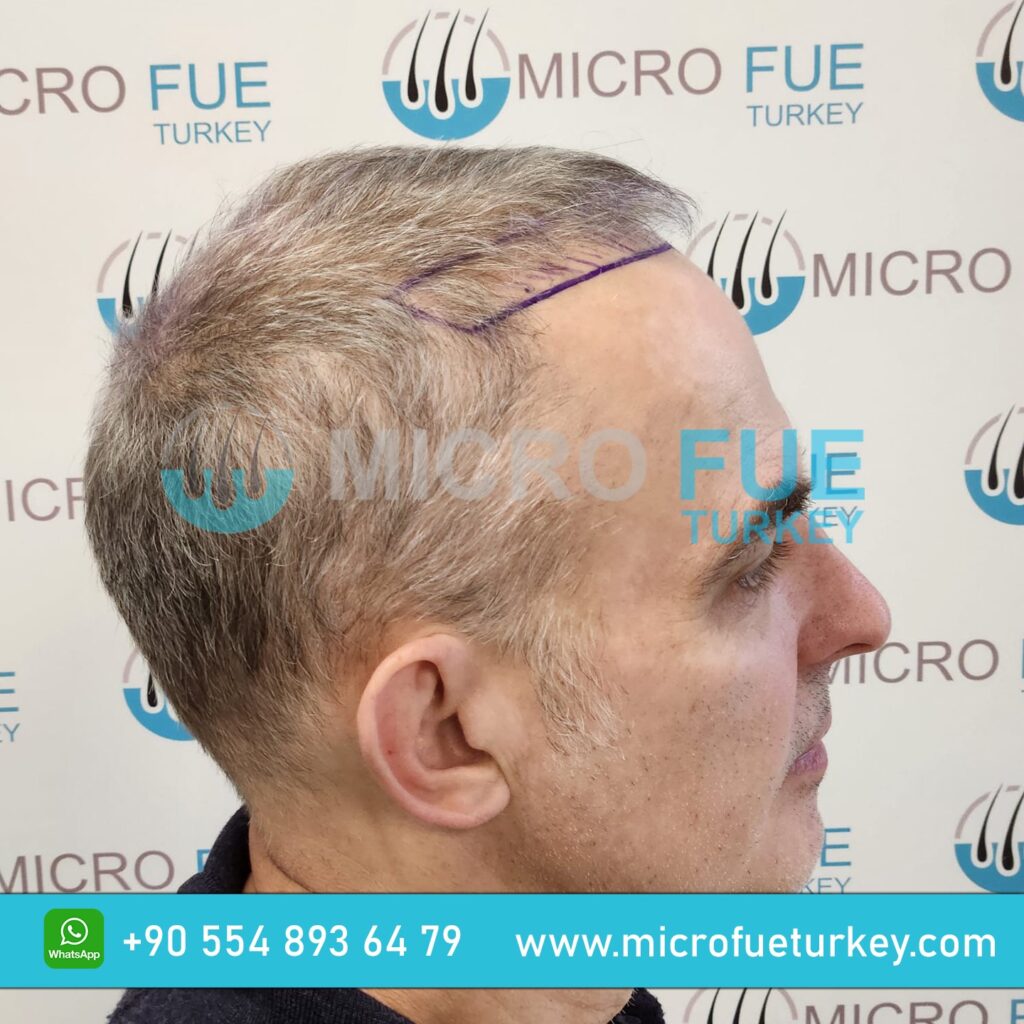
Before undergoing a hair transplant in Kusadasi, or any other location, it is essential to fully understand the procedure and the potential risks involved. Here are a few more important things to keep in mind:
- Consult with a specialist: You should consult with a board-certified dermatologist or plastic surgeon who specializes in hair transplantation to evaluate your hair loss and discuss your options.
- Know your surgeon’s qualifications: Make sure your surgeon has extensive experience and training in hair transplantation and is a member of a recognized medical organization.
- Consider the cost: Hair transplantation can be expensive, and the cost can vary depending on the type of procedure, the experience of the surgeon, and the location of the clinic. Be sure to understand the cost of the procedure and any related expenses before undergoing the procedure.
- Aftercare is crucial: The success of your hair transplant will depend on the care you take after the procedure. Be sure to follow your surgeon’s instructions for post-operative care and attend all scheduled follow-up appointments.
- Realistic expectations: While hair transplantation can result in a significant improvement in the appearance of your hair, it is not a guarantee that you will achieve your desired results. It is also important to remember that Kusadasi hair transplantation is a long-term commitment, and you may require multiple procedures to achieve your desired outcome.
Remember that a hair transplant is a major procedure, and you should carefully consider all of your options before making a decision. If you have any questions or concerns, be sure to discuss them with your surgeon.

It’s important to be fully informed and prepared before undergoing a hair transplant procedure. Here are a few more things to keep in mind:
- Types of hair transplant procedures: There are two main types of hair transplant procedures: Follicular Unit Transplantation (FUT) and Follicular Unit Extraction (FUE). FUT involves removing a strip of scalp from the donor area and transplanting the hair follicles to the recipient area. FUE involves removing individual hair follicles from the donor area and transplanting them to the recipient area. Your surgeon can help you determine which type of procedure is best for you based on your hair loss and desired results.
- Hair transplant Kusadasi results: The results of a hair transplant can take several months to become visible as the transplanted hair begins to grow. The full results of the procedure can take up to a year or more to become fully visible.
- Possible side effects: As with any surgical procedure, hair transplantation can cause certain side effects, including swelling, pain, bleeding, and infection. Scarring may also occur, although this is usually minimal and can be hidden by the hair. You should discuss the potential side effects with your surgeon and be prepared for the recovery period.
- Maintenance: After your hair transplant, it is important to follow your surgeon’s instructions for aftercare and to attend all scheduled follow-up appointments. You may also need to use topical medications or take oral medications to promote hair growth and prevent further hair loss.
- Long-term planning: discuss expected durability, continuing loss of existing hair and the possible need for further treatment. A transplant cannot guarantee lifetime density.
In conclusion, hair transplantation can be an effective solution for hair loss, but it is important to be fully informed and prepared before undergoing the procedure. You should choose a qualified and experienced surgeon, understand the potential risks and benefits, and have realistic expectations about the results.
It is essential to be well informed about hair transplantation before deciding to undergo the procedure. Here are a few more important things to consider:
- Choose the right clinic: The quality of the clinic and the surgeon can have a significant impact on the success of your hair transplant. Choose a clinic that is clean, well-equipped, and staffed by experienced and qualified medical professionals. Do your research and read reviews from past patients to get a sense of the quality of the clinic and the surgeon.
- Hair transplant techniques: There are various techniques used for hair transplantation, including FUT (Follicular Unit Transplantation), FUE (Follicular Unit Extraction), and BHT (Body Hair Transplantation). Each technique has its own advantages and disadvantages, and the best choice for you will depend on your individual needs and the cause of your hair loss.
- Preparation for the procedure: Before undergoing a hair transplant, you should stop smoking and avoid alcohol for several days prior to the procedure. You should also inform your surgeon of any medications or supplements you are taking and follow any preoperative instructions provided by your surgeon.
- Pain and discomfort: Hair transplantation is a surgical procedure that can cause some pain and discomfort, although this is usually minimal. Your surgeon can provide you with pain medication to help manage any discomfort.
- Aftercare and recovery: After your hair transplant, you will need to follow a strict aftercare regimen to ensure the success of the procedure and to minimize the risk of complications. This may include avoiding certain activities, using topical medications, and attending follow-up appointments.
In conclusion, Hair Transplantation Kusadasi can be an effective solution for hair loss, but it is important to be fully informed and prepared before undergoing the procedure. Choose a reputable clinic and a qualified and experienced surgeon, and make sure you understand the potential risks and benefits of the procedure.

Get a Free Quote, Consultation & Book Your Hair Transplant in Kusadasi Turkey
Are you considering a hair transplant and seeking professional guidance? Get a quote with a free consultation from the highly recommended hair transplant clinics, doctors, and surgeons featured above. To start, simply fill out the form below, and feel free to ask any questions or make unique requests.
Hair Transplant Kusadasi: Frequently Asked Questions
1. What Makes Hair Transplant in Kusadasi a Popular Choice?
Hair Transplant Kusadasi has become a favored option for individuals seeking affordable yet high-quality procedures. The city is known for its experienced surgeons, state-of-the-art clinics, and picturesque coastal setting, which provides a relaxing environment for recovery. Moreover, the cost of a hair transplant in Kusadasi is significantly lower than in many Western countries, making it an ideal destination for medical tourism.
2. What Techniques Are Used in Hair Transplant Kusadasi?
Clinics offering Hair Transplant Kusadasi utilize advanced techniques such as FUE (Follicular Unit Extraction), DHI (Direct Hair Implantation), and Sapphire FUE. Each technique is designed to provide natural-looking results with minimal scarring. The choice of technique depends on the patient’s hair type, the extent of hair loss, and their personal preferences.
3. How Do I Choose the Right Clinic for Hair Transplant Kusadasi?
Choosing the right clinic for Hair Transplant Kusadasi involves researching the clinic’s credentials, reading patient reviews, and consulting directly with the clinic. Look for facilities that are certified by the Ministry of Health and have experienced surgeons specializing in hair restoration.
4. Is Hair Transplant Kusadasi Safe?
Yes, Hair Transplant Kusadasi is safe when performed at licensed and reputable clinics. The surgeons in Kusadasi are highly skilled and follow international standards of hygiene and patient care. Patients are encouraged to follow pre- and post-operative instructions carefully to ensure optimal results.
5. What Is the Cost of Hair Transplant Kusadasi?
The cost of Hair Transplant Kusadasi varies depending on the number of grafts required and the technique used. On average, the price ranges from $1,500 to $3,500, which is significantly lower than in countries like the US or UK. Many clinics also offer all-inclusive packages that cover accommodation, airport transfers, and aftercare.
6. How Long Does the Procedure Take?
Hair Transplant Kusadasi procedures typically take 6 to 8 hours, depending on the number of grafts. Patients can return to their hotels the same day and resume light activities within a few days.
7. What Is the Recovery Process Like?
The recovery process for Hair Transplant Kusadasi is straightforward. Patients may experience mild swelling and redness in the treated area for a few days. It’s essential to avoid direct sunlight, strenuous activities, and smoking during the initial recovery period. Full results can be seen within 12 to 18 months.
8. Are There Any Risks Associated With Hair Transplant Kusadasi?
Like any medical procedure, Hair Transplant Kusadasi carries minimal risks such as infection, swelling, or temporary shock loss. However, these risks are rare and can be minimized by choosing a qualified surgeon and following their post-operative care instructions.
9. Can Women Opt for Hair Transplant Kusadasi?
Yes, Hair Transplant Kusadasi is suitable for both men and women experiencing hair loss. Women often undergo the procedure to address thinning hair, receding hairlines, or bald spots.
10. Is Hair Transplant Kusadasi Suitable for All Hair Types?
Hair Transplant Kusadasi can cater to various hair types, including straight, wavy, curly, and coily hair. Surgeons tailor the procedure to suit the patient’s hair texture and density for optimal results.
11. How Do I Prepare for Hair Transplant Kusadasi?
Preparation for Hair Transplant Kusadasi includes stopping certain medications, avoiding smoking and alcohol, and washing your scalp with an antiseptic shampoo provided by the clinic. Patients should also inform their surgeon about any medical conditions or allergies.
12. Are There Any Financing Options for Hair Transplant Kusadasi?
Many clinics offering Hair Transplant Kusadasi provide flexible payment plans to accommodate international patients. It’s advisable to inquire about financing options during the initial consultation.
13. What Are the Success Rates of Hair Transplant Kusadasi?
Outcomes vary with the diagnosis, donor supply, surgical plan and healing. Ask for realistic expectations and documented follow-up examples; a location does not establish a success rate or guarantee permanent density.
14. How Soon Can I Travel After the Procedure?
Ask the treating surgeon to assess when you can travel and fly. Arrange the initial review, aftercare supplies and access to help before departure rather than relying on a fixed one- or two-day timetable.
15. Can I Combine a Vacation With Hair Transplant Kusadasi?
Absolutely! Kusadasi’s scenic beauty and rich cultural heritage make it an excellent location to combine a vacation with a hair transplant procedure. Many clinics offer packages that include guided tours and leisure activities.
16. What Should I Expect During the Initial Consultation?
During the initial consultation for Hair Transplant Kusadasi, the surgeon will evaluate your hair loss pattern, discuss your goals, and recommend the best treatment plan. This is also the time to ask questions and clarify any doubts.
17. Is There a Minimum Age Requirement?
The ideal candidates for Hair Transplant Kusadasi are usually above 25 years old. This ensures that the hair loss pattern is more predictable, leading to better results.
18. What Aftercare Services Are Offered?
Clinics providing Hair Transplant Kusadasi often include aftercare services like follow-up consultations, PRP therapy, and customized hair care products to support healing and enhance growth.
19. How Can I Book an Appointment?
Booking an appointment for Hair Transplant Kusadasi is simple. Most clinics offer online booking options through their websites, WhatsApp, or email. It’s advisable to schedule your procedure well in advance, especially during peak seasons.
20. Why Should I Consider Hair Transplant Kusadasi?
Confirm the actual treatment location and clinician, compare written proposals and decide on clinical suitability before arranging accommodation or leisure activities.
Assessment before booking
Ask for the diagnosis, donor assessment, realistic coverage plan and clinician’s responsibilities. Obtain written preparation, recovery and follow-up instructions. Do not stop prescribed medicines or plan your return flight from a general online timetable.
Patient information: NHS hair transplant guide and ISHRS consumer guidance.