


Planning scuba diving in Bodrum starts with choosing the right experience for your training, comfort and travel schedule. A supervised introduction for a first-time diver is different from a guided trip for a certified diver, and a boat excursion is not automatically a diving course. Ask what is actually offered before comparing prices. This guide explains the questions to settle with the dive centre, corrects common misunderstandings about Bodrum’s museum and avoids promising a particular animal sighting, visibility or dive site.
Choose an introduction, course or certified-diver trip
If you have never dived, ask about a recognised introductory programme and its eligibility requirements. PADI Discover Scuba Diving, for example, is an introduction under professional supervision rather than an independent-diver certification. Confirm which programme the provider runs, where the initial skills session takes place and whether an additional open-water experience is included. Do not assume a short holiday activity provides the same qualification as completing a certification course.
If you are already certified, describe your qualification, recent experience and the type of diving you are comfortable with. Ask whether a refresher or check dive is appropriate if you have not dived recently. A certification card does not explain your current confidence or familiarity with different equipment. Have the centre explain the proposed outing so that it fits your experience rather than choosing solely because a photograph looks exciting.
Ask how the session is organised for participants who need more time with basic skills. Find out whether you can pause, remain on the boat or decide against an additional dive, and how that affects the booking. If friends have different experience levels, confirm whether they will follow separate programmes rather than expecting a first-time participant to join a certified diver’s itinerary.
Verify the dive centre and who will supervise you
Ask for the centre’s identity, the professional responsible for the session and the training organisation associated with the programme. Use the relevant organisation’s verification route where available rather than relying only on a logo in an advertisement. Clarify who conducts the briefing, skills practice and any open-water portion. For a group, ask how participants are organised and how different experience levels are handled.

Get the meeting point, start time, expected finish and transport arrangements in writing. “Diving in Bodrum” can describe a broad area, so check the actual departure location against your accommodation. Ask whether a boat journey is included and where equipment is collected. If the programme involves several stages, request the outline before payment so that you know how much time is training, travelling, waiting and diving.
Complete medical screening before the trip
Request the medical questionnaire early and answer it accurately. Divers Alert Network’s health guidance explains the role of the Diver Medical Participant Questionnaire and further medical evaluation when indicated. A questionnaire is not a formality to skip for convenience. If it calls for a physician’s assessment, arrange that before the activity instead of arriving at the boat expecting the instructor to override it.
Tell the appropriate professional about relevant health changes, recent procedures and medicines. Do not stop prescribed treatment to take part in a holiday activity. If you are unwell or uncertain about fitness to dive, seek qualified advice and discuss postponement. The booking agent’s willingness to accept a reservation is not medical clearance. Keep any required documents available in the form and language requested by the centre.
Ask about equipment and preparation
Check what is included: exposure protection, mask, fins, buoyancy device, regulator, cylinder and any other equipment needed for the planned programme. Ask what you must bring, how sizes are selected and whether there are extra charges. If using your own equipment, confirm that it is suitable and serviceable for the outing. Let the centre know about fitting issues before the day, especially if a standard size may not work comfortably.
Give the briefing and equipment familiarisation your full attention. Ask questions in a language you understand and make sure you know how to communicate discomfort or stop a session. Follow the instructor’s directions for skills and equipment use; a written holiday guide cannot teach the practical procedures. If something does not fit or you do not understand an instruction, resolve it before entering the water rather than trying to manage the problem later.
Let the actual conditions guide the dive plan
The planned site depends on conditions, access and the needs of the group. Ask why a site is suitable for your experience and how the centre handles a change. A general description of the Aegean as clear or calm is not a forecast for a specific dive. Do not expect the same visibility, water temperature or current on every outing. A responsible plan should allow the professional to change or cancel the activity when needed.
Discuss the proposed depth, entry and exit, duration, supervision and any special requirements in the briefing. Dive within the limits of your training and the programme you are undertaking. A cave, wreck penetration or another specialist environment is not a casual addition to an introductory session. If a particular site is the main reason for booking, establish the required qualification and what can actually be offered before making the journey.
Set realistic expectations for marine life
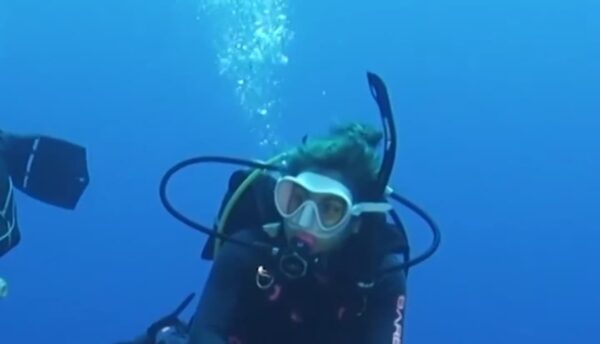
Marine life is part of a natural environment, so a photograph does not promise a sighting. Ask the centre what is commonly observed at the proposed site and how that varies with conditions. Avoid choosing an excursion from claims of guaranteed turtles, dolphins, manta rays or colourful tropical reefs. Images taken elsewhere can illustrate diving equipment or a general underwater experience without representing the animals or habitat you will see in Bodrum.
Respect the environment and follow the dive professional’s instructions about distance and movement. Do not collect objects or disturb marine life for a photograph. Ask about local protection rules and any site-specific restrictions before entering. A rewarding dive can be about noticing the actual landscape and smaller details rather than searching for an advertised animal. Keep expectations grounded in the briefing and the conditions on the day.
Bodrum’s underwater archaeology museum is on land
The name can be misleading: the Bodrum Museum of Underwater Archaeology is inside Bodrum Castle. It presents underwater archaeological heritage in a museum setting; it is not a submerged exhibition that visitors tour with scuba equipment. A museum ticket and a recreational dive booking are separate activities. Check the museum’s current opening and admission arrangements if you want to include it on another day.
Likewise, a region’s archaeological importance does not establish permission to dive on any ancient wreck or remove material from a site. Ask the centre which locations are legally available for the proposed activity and what rules apply. Keep historical interpretation separate from sales claims about discovering treasures. For a land-based cultural outing, the Bodrum Ancient Theatre guide offers another option, subject to its own access arrangements.
Plan flying and altitude travel around diving
Discuss your flight and any travel to higher elevations before setting the dive schedule. DAN’s flying-after-diving guidance distinguishes different dive exposures and explains that recommended intervals reduce risk without eliminating it. Do not apply one generic waiting period to every itinerary. Plan with the dive professional using the actual profile and applicable guidance, and leave room for a change rather than treating the last holiday afternoon as an automatic diving slot.
If symptoms suggest a diving-related problem, seek urgent medical assessment and do not board a flight simply because an advertised waiting interval has passed. Ask the centre before departure how to obtain urgent help and what records will be available if treatment is needed. Carry appropriate insurance details and establish what your policy covers for the actual activity, training level and trip. Ordinary holiday cover should not be assumed to include every form of diving.
Compare the full offer
Ask whether the price covers instruction, equipment, boat travel, the number of sessions, transfers and any required learning materials. Check whether photographs, meals or other extras are separate. For a course, clarify the completion requirements and whether certification fees are included. A day on a boat and a particular amount of underwater instruction are different measures of value. Compare the programme description as well as the headline price.
Read cancellation and change conditions, including what happens if medical screening, conditions or an assessment prevents participation. Ask whether non-diving companions can join and what they would do during the activity. Keep the written offer and any answers about essential requirements. If you are comparing the experience with a non-diving outing, our Bodrum boat rental guide provides questions for that separate choice.
Arrange the practical parts of the day
Confirm the transfer and the final walk to the meeting point. Our Bodrum public transport guide gives local travel background, but the actual service and stop must fit your booking. Leave time to arrive calmly, complete paperwork and prepare equipment. Carry the items requested by the centre, sun protection for time on the boat and a dry layer for after the session.
Keep the rest of the day flexible and avoid booking an immediate flight connection. Use the Milas–Bodrum Airport guide for general travel logistics while keeping diving-specific fitness and surface-interval decisions with qualified advice. Before paying, confirm the programme, supervision, medical screening, full price and return arrangements. A well-prepared scuba experience in Bodrum begins with those details and proceeds at a pace suited to the participant and the conditions.